Places You Would Never Visit Again
Information technology's time to dig out your bucket list and take a difficult look because the world might have to say cheerio to some of its most iconic places presently. Scientists predict that some of the globe's most famous landmarks, including Brazil's Amazon Rainforest and Venice, Italy, will disappear much sooner than you think..
Many threats play a function in the upcoming demise of these key spots, including man intrusion and rise temperatures. Are any of your saucepan list locations on the listing? Be sure you know which famous places to visit before they disappear for expert.
Islands of Seychelles
E'er since Kate Middleton and Prince William picked the Seychelles Islands for their royal honeymoon, the islands became hot destinations. However, at that place's bad news for honeymooners and paradise-seekers: The Seychelles Islands are sinking. Researchers believe they will eventually completely disappear.
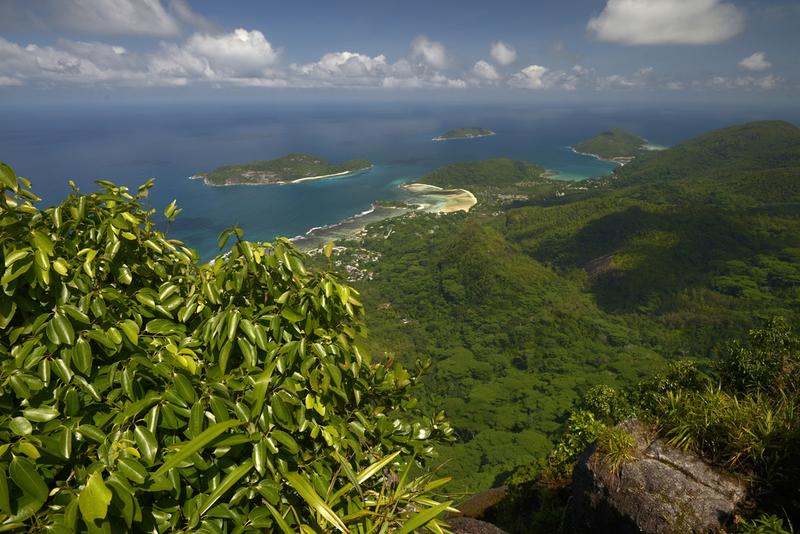
Located in the Indian Sea, the Seychelles Islands could submerge in the next l to 100 years due to changes in temperature. The surrounding coral prevents beach erosion, but when water temperatures started to rise virtually the islands, the coral began dying. Soon, the islands may be gone forever.
Madagascar's Forests
The world'due south second-largest island country, Republic of madagascar, is a dreamland for nature and outdoor lovers. It's known for its unique brute and constitute kingdom, such every bit the "Avenue of the Baobabs." In fact, y'all can't find 80% of Madagascar's found life anywhere else on the planet.
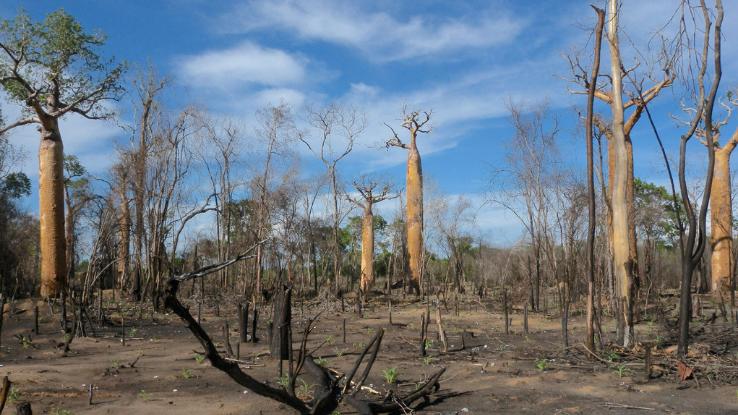
Unfortunately, the country'due south forests may be gone in the next 35 years due to deforestation and fires. More than than 90% of Madagascar's forests accept been lost to slash-and-burn agriculture techniques, which has also put 23 lemur species on the endangered list.
Glaciers in Montana's Glacier National Park
Massive glaciers from the last Ice Historic period carved the gorgeous mountains of Glacier National Park in Montana, but these glaciers won't terminal forever. The park logged 150 glaciers in 1850, but the number has melted downwardly to merely 25 in 2019. Eek!
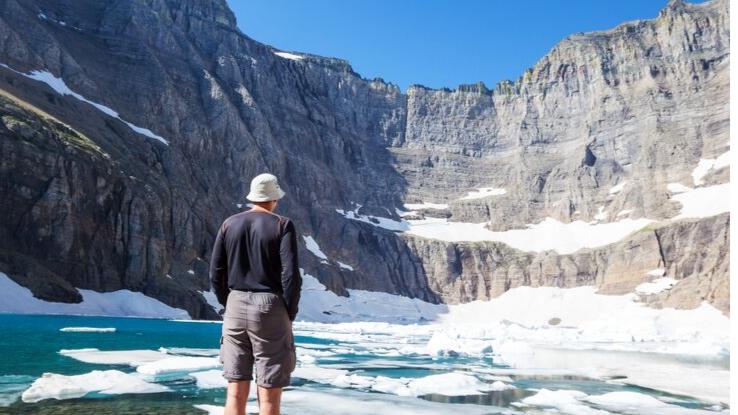
If current climate trends keep, all the glaciers may disappear by 2030. This is a big problem for the plants and animals that rely on living in a cold habitat. The loss of glaciers likewise decreases stream flows, leading to a college adventure of forest fires.
Venice, Italy
Romantic gondola rides on the canals of Venice, Italia, won't exist much longer because the city is sinking. Each yr, Venice subsides about 0.08 inches into the depths. The Italian metropolis has been sinking for centuries, so this information is nothing new.
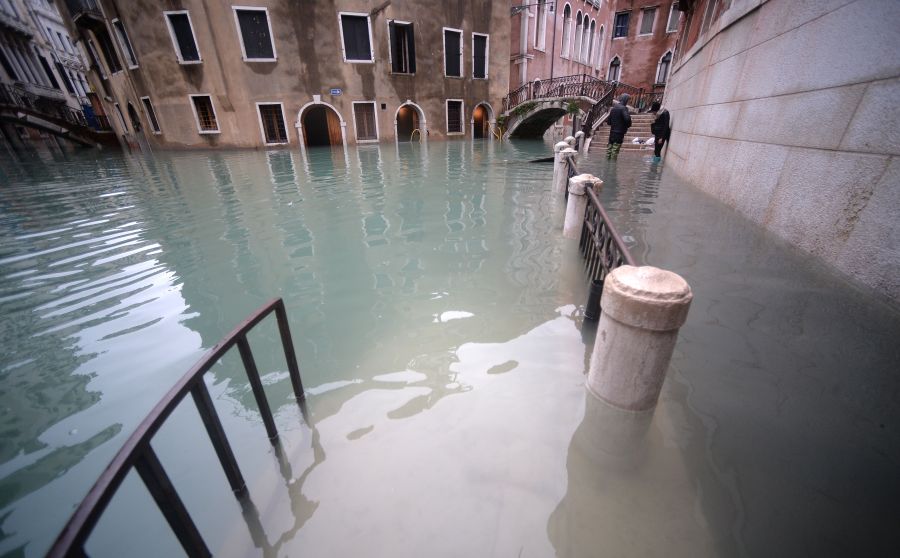
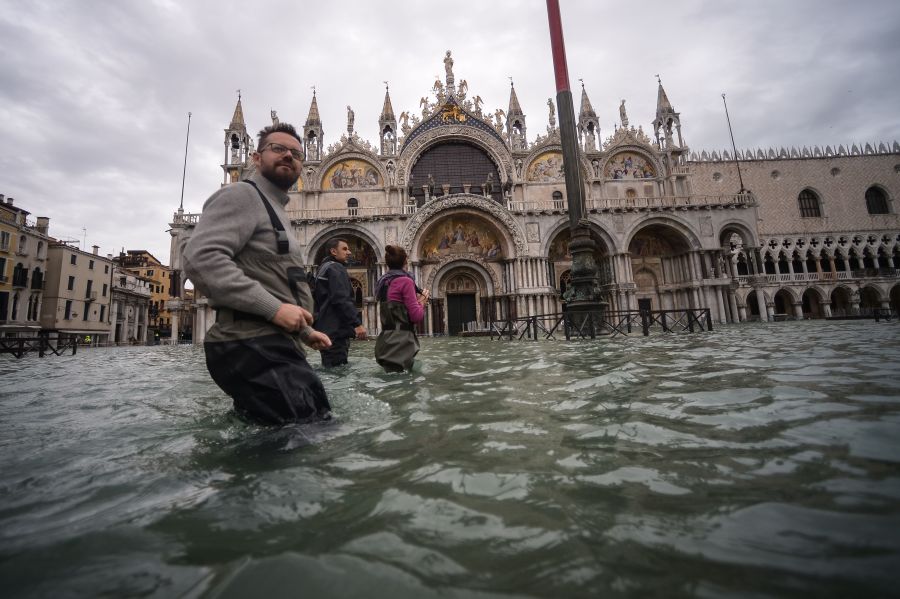
Withal, Venice faces another threat in recent years: flooding. Frequent, severe floods have damaged historical monuments and churches and are playing a huge role in Venice'south disappearance. In fact, the metropolis is currently suffering from record-breaking floods that accept locals and tourists walking in h2o up to their knees. As of Nov twelfth, the historic floods have reached vi feet, 2 inches above sea level. The hereafter doesn't look good for the city. Scientists warn that Venice will be underwater by 2100.
Africa's Congo Basin
More than ten,000 plant species, 1,000 bird species and 400 mammal species call the Congo Basin home. Found in Key Africa, the Congo Basin is one of the most biodiverse places in the world and the second-largest rainforest on the planet.
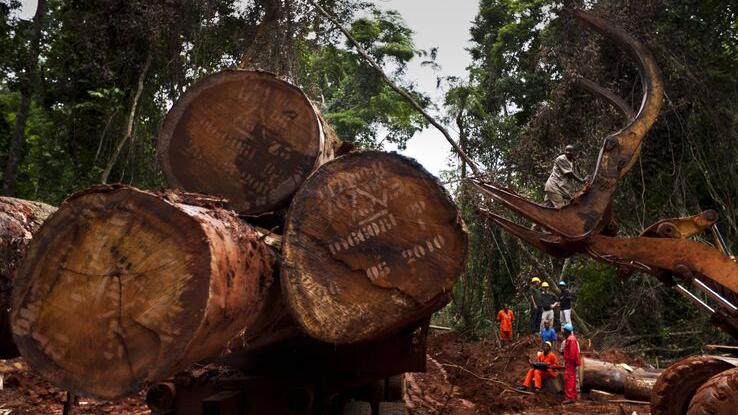
However, the Congo Basin won't exist for much longer. Deforestation due to small-holder tillage and illegal logging has destroyed plants and wildlife. The United Nations estimates two-thirds of the rainforest volition vanish every bit soon as 2040. By 2100, the entire Congo Basin rainforest could disappear.
The Dead Sea
Adjoining Jordan and Israel, the Dead Sea attracts tourists for its unique swimming. Information technology's ten times saltier than the ocean, making the Dead Sea one of the saltiest bodies of water in the world. That high salt density allows people to float effortlessly.
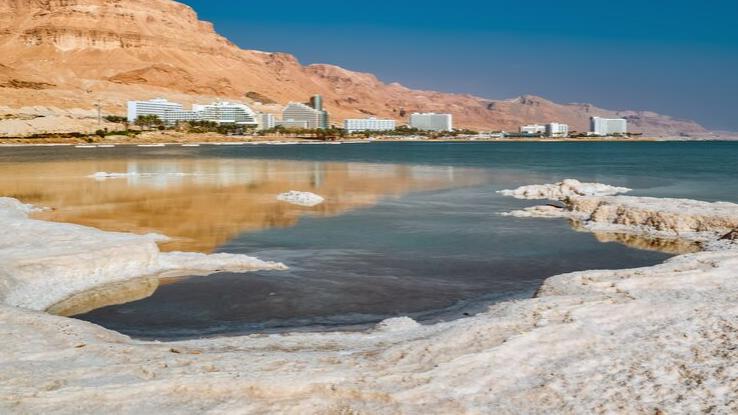
The Jordan River gave the Expressionless Sea life, merely the river was rerouted for agriculture and drinking water purposes. Consequently, the sea is drying up. It also doesn't assist that the water evaporates faster than it refills. In the by twoscore years, the Expressionless Sea has dropped eighty feet, and the water may disappear completely in 50 years.
The Taj Mahal
In the 17th century, Mughal ruler Shah Jahan congenital a palace as a tomb to bury his beloved wife. This palace became known as the world-famous Taj Mahal, which includes a mosque, a guest business firm and gardens. Notwithstanding, the Indian landmark is suffering from some serious threats.
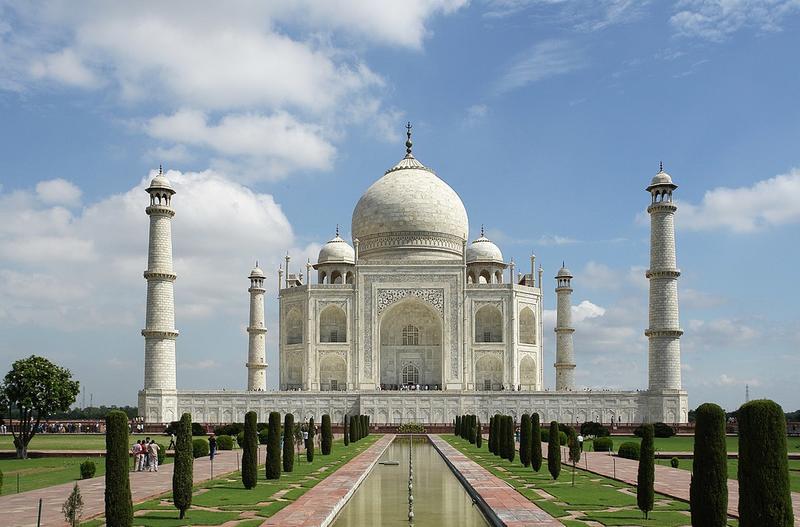
Erosion and environmental pollution constantly damage the Taj Mahal. The pollution (specifically acid rain) turned the landmark xanthous. In 2010, the tomb began cracking, and the minarets started tilting because of rotting wooden bases. Researchers predict the monument will soon collapse.
Commonwealth of australia's Nifty Barrier Reef
The Cracking Barrier Reef in Australia is dying. The natural wonder is known for its colorful corals, only much of the reef has turned white and lifeless in recent years. In fact, the ARC Heart of Excellence for Coral Reef Studies discovered almost 93% of the site is dying from mass coral bleaching.
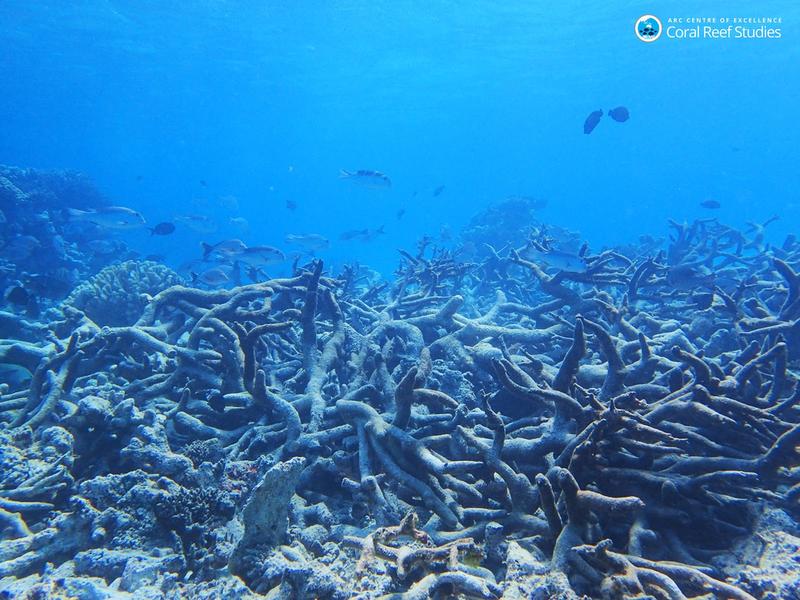
The sad truth: Scientists believe the Great Barrier Reef may disappear by 2030. Since 1985, more than l% of the site's coral has been lost due to ascension temperatures and acid pollution. Volition the Great Barrier Reef ever recover?
Arab republic of egypt's Pyramids and Great Sphinx
The iconic Egyptian pyramids attract almost 35 meg visitors each year. Some of the pyramids date back to around 2667 to 2648 B.C.E. After standing for thousands of years, the Egyptian wonders are growing weaker. Observers predict the pyramids, monuments and tombs volition eventually collapse.
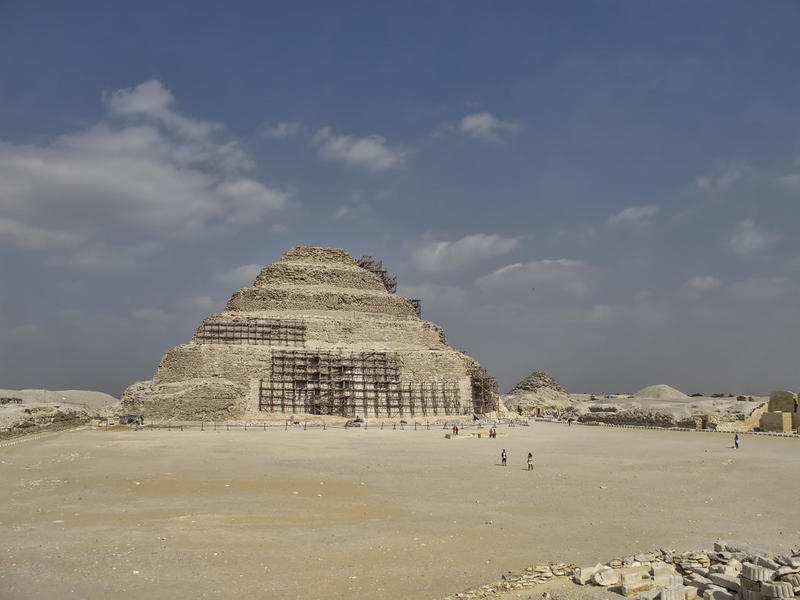
Erosion caused by modern-24-hour interval pollution threatens Egypt'southward pyramids and the Great Sphinx. Everyday, sewage destroys the plates the complexes stand on. Tourism is also making the problem worse considering some visitors climb and walk on the structures — some even steal parts of the pyramids.
Brazil's Amazon Rainforest
Brazil's Amazon Rainforest experienced a record-breaking number of fires in August 2019, engulfing nearby cities in fume and blackening the heaven. Just the world'southward largest rainforest has faced serious problems before. In the get-go eight months of 2022 lone, the Amazon suffered from more than than 70,000 fires.
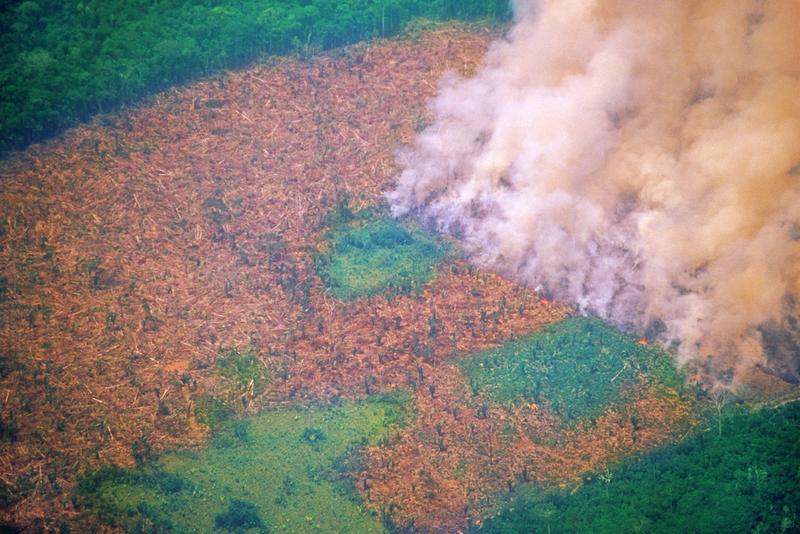
The Amazon rarely catches burn down on its ain, and then what — or who — is the culprit? Humans. Mass deforestation has destroyed a giant chunk of the rainforest, which is home to the most diverse species on Earth. Frogs, turtles, snakes and lizards are dying in the Amazon, while trees, grasses, shrubs and soil are disappearing.
Slap-up Wall of China
Stretching thirteen,171 miles, the Not bad Wall of Communist china is one of the earth's largest homo-fabricated structures. Information technology took the power of 300,000 soldiers and 500,000 common folks to construct the wall. The iconic structure was used to protect Chinese empires and transport appurtenances.
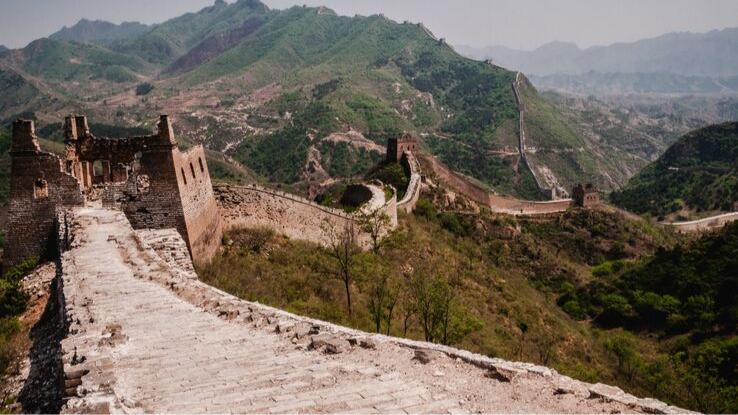
The Great Wall of Communist china has stood for more than 2,300 years, but the earth's favorite landmark is in problem. Inside 20 years, the Keen Wall could crumble. Two-thirds of the wall is already damaged or destroyed due to over-farming, erosion and brick theft.
The Grand Canyon
The M Coulee is one of the top tourist attractions in the U.S. It's also one of the about endangered historic places in the country, according to the National Trust for Historic Preservation. More development projects are putting the coulee's futurity in danger.
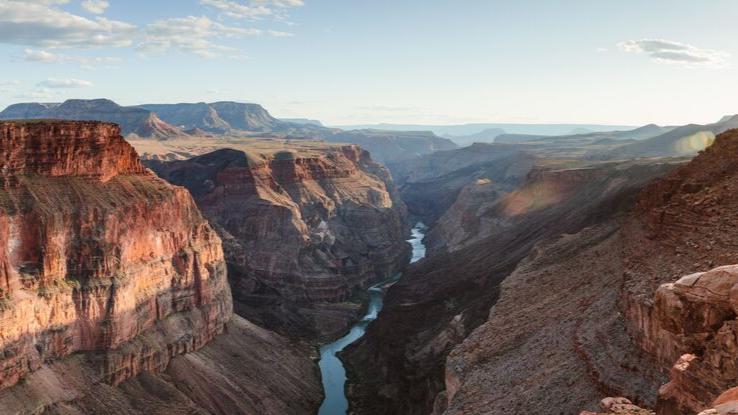
Projects range from uranium mines and tourist resorts to tramways, which could destroy many parts of the Grand Canyon. Fifty-fifty the Colorado River isn't safe from future development plans. At one point, the government wanted to turn the river into reservoirs for jet-skiing and boating activities.
The Maldives
Looking for a tropical vacation? Starting time booking tickets to the Maldives because the destination is sinking. Located in the Indian Sea, the Maldives are a hot spot for diving and snorkeling in turquoise articulate waters. Seaplane tours are popular too.
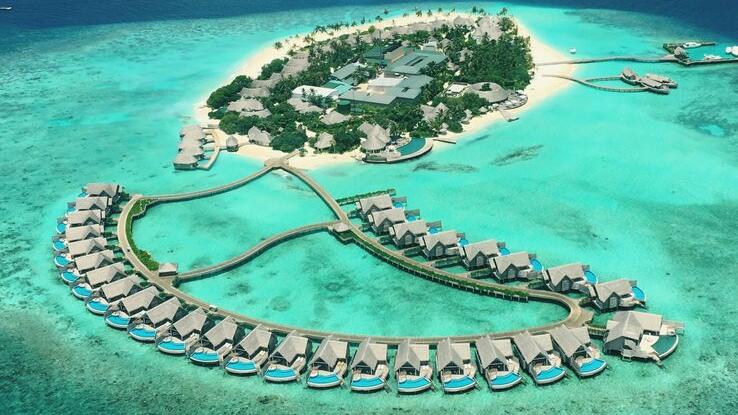
The thousands of pocket-sized islands and atolls that make up the Maldives won't exist there forever, yet. Coral bleaching and rise sea levels are sending the country to its doom. In 100 years, scientists predict the island nation volition be completely underwater.
The City of Petra (The Rose Urban center)
The aboriginal city of Petra is a jaw-dropping archaeological site that was built as early equally the 5th century B.C. Carved into pink sandstone cliffs, Petra gained its nickname, "The Rose City." Tourists venture to Jordan's southwestern desert to explore the city and its temples and tombs.
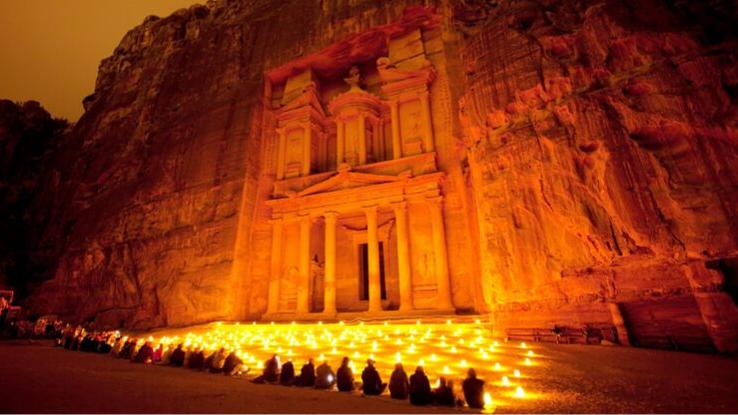
Nonetheless, tourists accept been an issue for Petra for the past 100 years. All the constant touching of the walls is causing Petra to erode abroad. The city'south sandstone walls are fragile, so information technology's suggested to keep your hands to yourself when visiting. Unfortunately, current of air and rain also threaten the ancient urban center.
Belize Bulwark Reef
Belize Barrier Reef is the 2d-largest reef system in the world. Its cute waters are perfect for sea kayaking and snorkeling. In 2009, the UNESCO World Heritage Center added the Belize Bulwark Reef to its endangered list, but nine years later, the reef crush the listing.
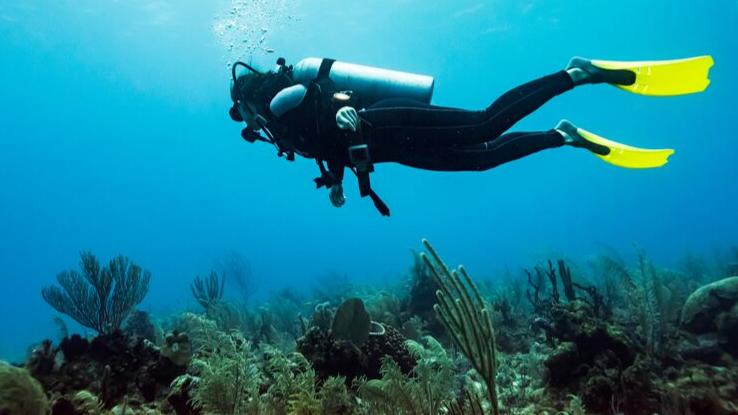
Belize'due south angling restrictions and ban on offshore drilling in its waters helped with the reef's removal from the list. Woo hoo! Nonetheless, the Belize Barrier Reef is still in hot water. Some researchers are surprised by its removal because the reef is damaged beyond repair. Cruise ship tourism, development and coral bleaching go along to weaken the site.
Patagonia of Republic of chile
Information technology's already bad when i giant iceberg breaks off a glacier, and so when two icebergs separated from Republic of chile's glaciers, it was definitely a sign of a larger problem. Chile'due south Patagonian region is a stunning place featuring water ice fields and glaciers, so what'due south the result?
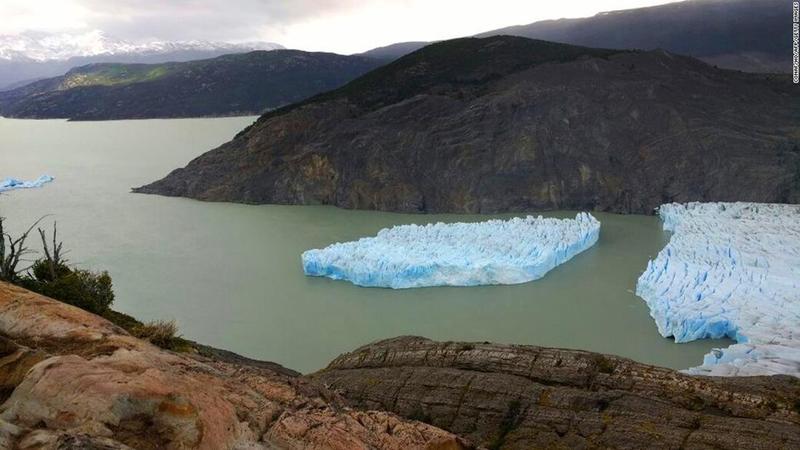
The glaciers are melting and shrinking, and it's not small pieces either. In 2019, two icebergs equal to the size of 12 soccer fields split off a thousand-year-old glacier. Scientists believe heavy rainfall and higher temperatures are causing these marvels to diminish, and information technology shows no signs of stopping anytime presently.
Telouet Kasbah
Institute in the Atlas Mountains of Morocco, the Telouet Kasbah was once a palace for the powerful El Glaoui family. It was developed in the 18th and 19th centuries and features Moorish architecture, ornate windows and painted ceilings, but these details won't continue to exist for long.
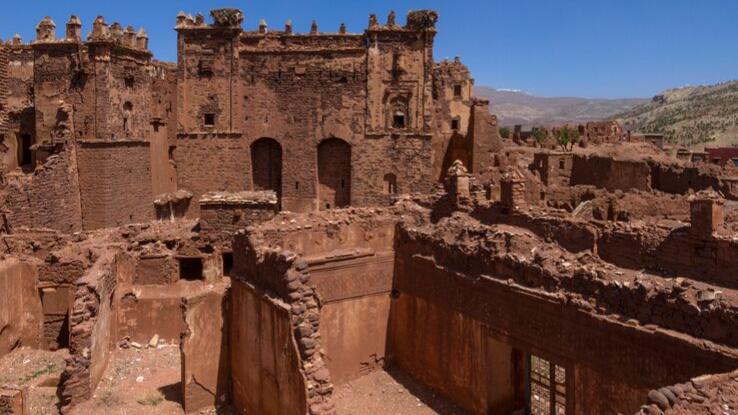
The Telouet Kasbah is crumbling and collapsing due to erosion. A minor entrance fee for tourists helps salvage the kasbah from decay, but it's however not enough. If no farther piece of work to restore the property continues, the mud-brick structure volition completely disintegrate.
Big Sur
Located in California, Large Sur is known for its scenic highway and jaw-dropping beaches. Nonetheless, Big Sur'due south beautiful terrain has been weakened by landslides, droughts and forest fires. In fact, a major landslide airtight a section of California's highway in 2017. For 14 months, the state cleared 6 meg tons of dirt and rock from the region.
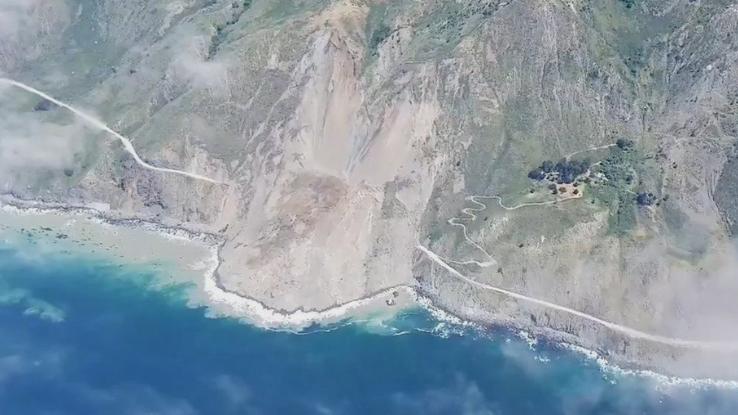
The droughts and wildfires aren't only affecting Big Sur's landscape; they too impact wildlife. Big Sur has always been known every bit a identify for tourists to whale picket, but there accept been fewer sightings of whales in the region in recent years.
Republic of bolivia's Cerro Rico Mountain (The Mountain That Eats Men)
At 13,420 feet, Potosí is one of the world's highest cities. Information technology'southward also domicile to Cerro Rico Mountain, the location of a notorious silver mine. Mining has been part of the mount's history for hundreds of years, but it has likewise become a huge problem.
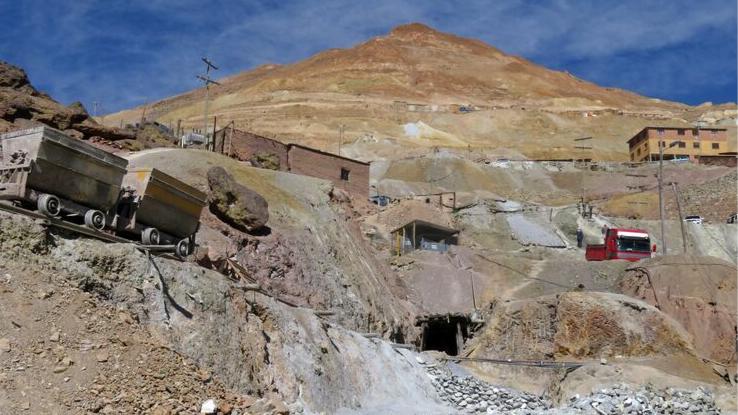
Cerro Rico Mountain earned the nickname the "mountain that eats men" due to the high number of workers dying in the mine. Now, all the mining activeness has left the mountain crumbling. In 2011, a massive sinkhole appeared at Cerro Rico's summit, putting many miners' lives in danger.
Florida's Everglades National Park
The Everglades is a system of wetlands and forests filled with unique animal life and 200 archaeological sites. Florida's Everglades National Park was built to protect more 800 species of land and h2o animals that alive in that location. With so much to run across, it'due south no surprise that a million tourists visit the park each year.
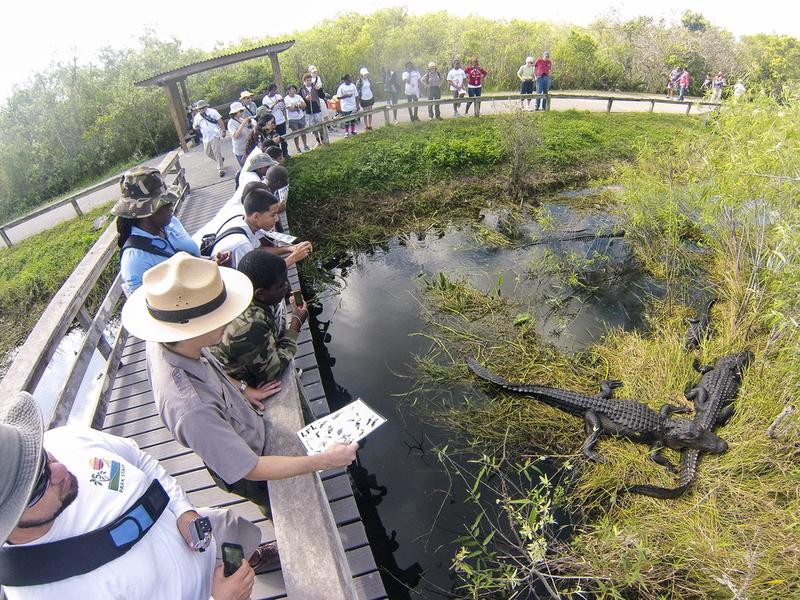
Nevertheless, Everglades National Park faces many threats, including pollution and urban development, that are leading to a loss of habitat and species. The problem is so big that the UNESCO World Heritage Centre put the park on the endangered list twice (commencement from 1993 to 2007 and second from 2010 to the nowadays).
Tanzania's Mount Kilimanjaro
Ernest Hemingway fabricated Mount Kilimanjaro famous with his brusk story, "The Snows of Kilimanjaro." Found in Tanzania, Mount Kilimanjaro is a popular snowfall-covered summit for climbers. It also draws many scientists due to its melting glaciers and vanishing ice fields. Yikes!
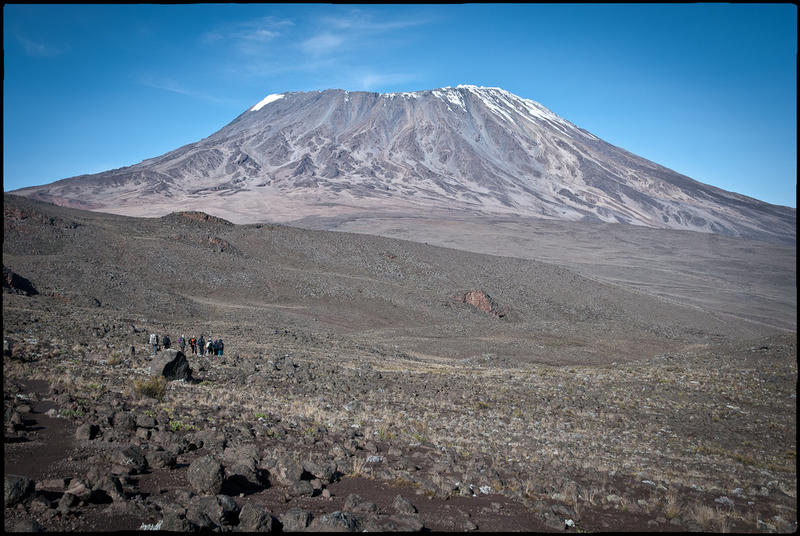
From 1912 to 2011, Mountain Kilimanjaro'south water ice fields shrunk by an alarming 85%. Scientists expect the water ice to disappear completely as soon as 2040. Deforestation and college temperatures are melting the ice and the glaciers on this highest signal in Africa.
The North Pole
Enough of children grow up assertive Santa Claus and his magical elves live at the N Pole. In reality, the wintertime wonderland is home to real organisms, similar polar bears and arctic foxes. Unfortunately, the North Pole's time to come looks bleak.
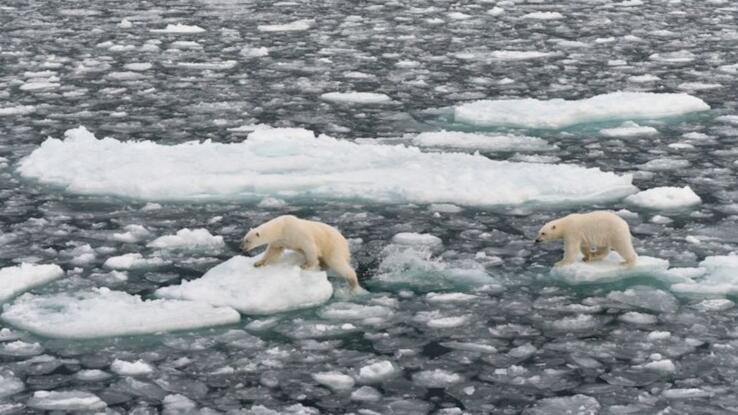
By 2040, the summer Arctic sea ice could all cook. As the North Pole heats up, its ice shrinks — at alarmingly rapid rates. That's actually bad news for polar bears that depend on the cold environment. Additionally, the mammals are also dying.
Shibam
Shibam, also called the "oldest skyscraper city" in the world, has survived since the 16th century. The Yemen city is a peachy, unique model of buildings college than five stories. Modern-day skyscrapers are made using steel framework, but the ones in Shibam are made from natural elements.
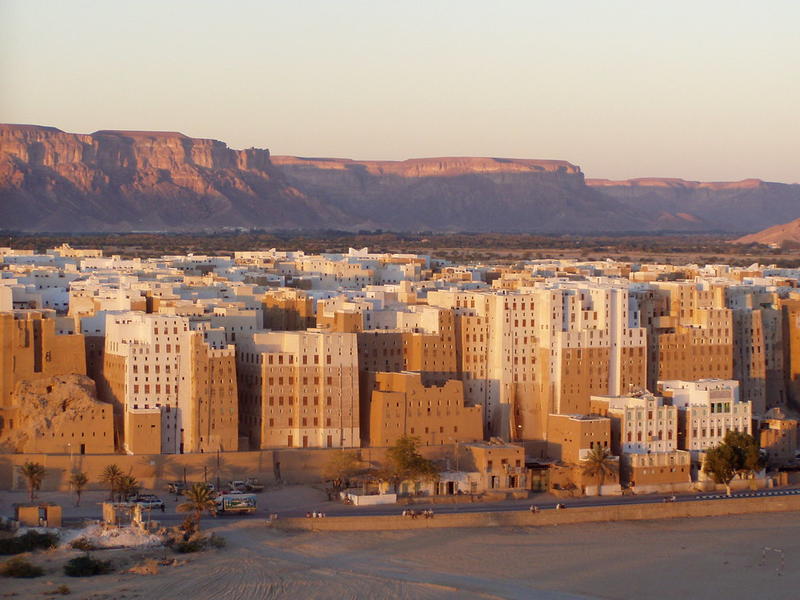
Institute in the center of a desert, Shibam's buildings are built with mud bricks. Equally a result, they're constantly vulnerable to current of air, rain and heat erosion. A tropical cyclone flooded the metropolis in 2008 and almost complanate the towers. Talk almost a shut call.
Stonehenge
Standing on the plains of Wiltshire, England, Stonehenge is i of the world'south most famous monuments. The iconic structure is fabricated of massive upright stones and stone arches that course a circle. Scientists don't know exactly who built information technology — some people like to believe aliens, the devil or glaciers created information technology. That's some other story.
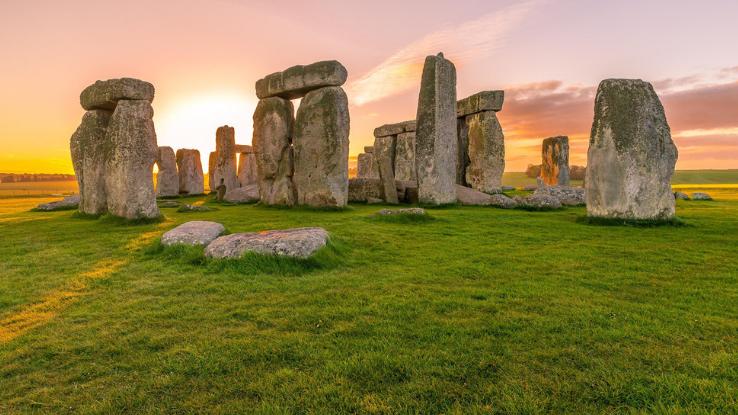
In the 1970s, Stonehenge was roped off to prevent further rapid erosion from abiding human touch. All the same, the 5,000-year-former monument has remained susceptible to natural erosion, and that's not its only threat. Some researchers believe engineers working on a new tunnel under Stonehenge will damage the iconic site.
The Swiss Alps
The Swiss Alps are heating upward, and they're definitely suffering from the harmful effects. At a lower altitude than other mountain ranges, the glaciers on the Alps have been melting for more than 150 years. In the 1980s, the accelerated retreat rate jumped significantly.
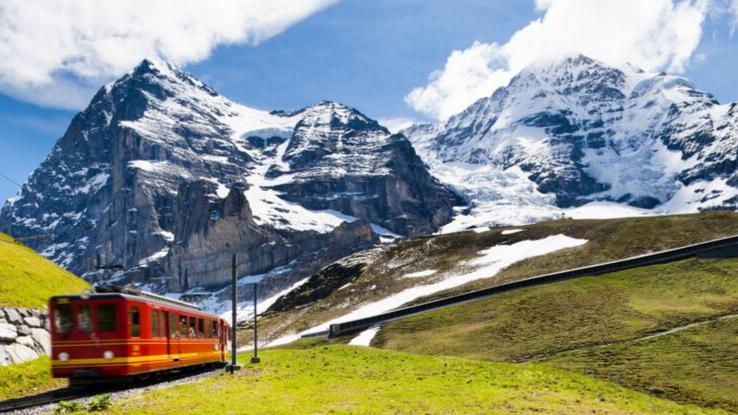
Each year, the Alps lose about 3% of their glacial ice, and scientists predict there might not be any more than glaciers by 2050. That'due south terrible news for hikers and winter athletes. Some of the world'southward best slopes for winter sports may soon be gone forever.
The Door to Hell
The Door to Hell, also known as the Darvaza gas crater, is one of Earth's spookiest places. The called-for pigsty sits in the centre of the Karakum Desert, but information technology wasn't e'er blazing. In fact, it was a regular field that complanate into an cloak-and-dagger cavern later on workers hitting a natural gas pocket.
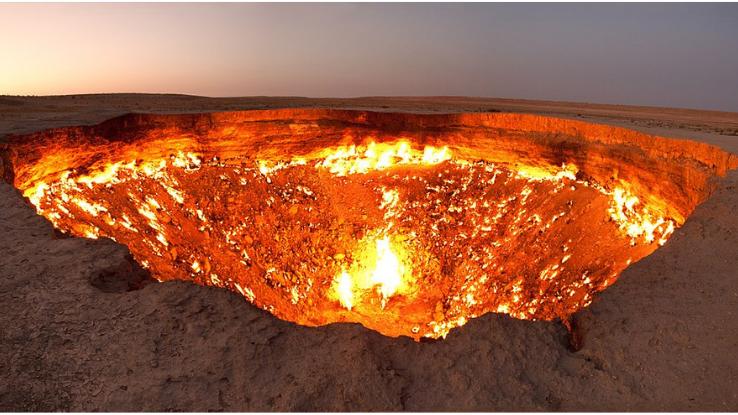
The workers lit the pit to burn off the dangerous methyl hydride gas, thinking the fire would only concluding for a few weeks. They were wrong. The "Gates of Hell" accept burned for more 40 years. However, the President of Turkmenistan, Gurbanguly Berdimuhamedow, wants to close the hole shortly. Perhaps the peppery pit spooks him besides?
The Sundarbans
Spanning four,000 miles, the Sundarbans region consists of land and water in the Ganges Delta of Bangladesh. The area is domicile to the largest mangrove wood on the planet. Many endangered species live in the Sundarbans, including Royal Bengal tigers, Gangetic dolphins and footing turtles.
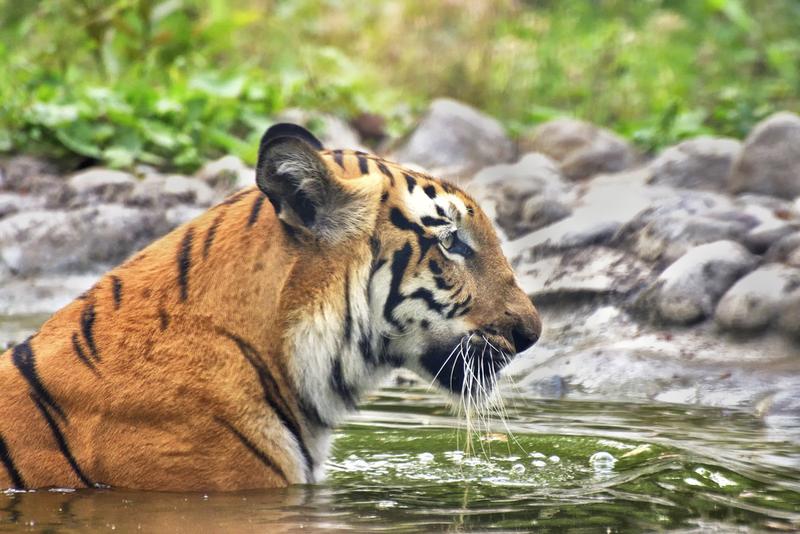
In Bengali, Sundarbans means "beautiful forest," but it doesn't live up to its proper noun due to abiding dangers. Deforestation, pollution and fossil fuel projects have caused rising bounding main waters and the erosion of the area'due south coastline. The beautiful forest and its creatures are slowly drowning.
Mali's Mosque of Timbuktu
Located in Mali, the Djinguereber Mosque is also known as the keen mosque of Timbuktu. It became legally protected by the UNESCO World Heritage Centre in 1998. Nonetheless, no one can save the mosque from the rising temperatures and heavy rainfall that weaken it everyday.
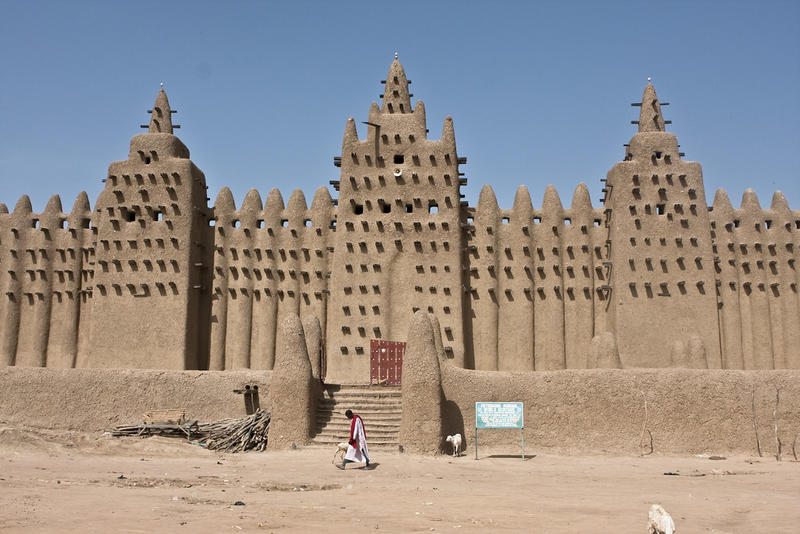
Congenital in the 1300s, the mosque of Timbuktu is made of World's elements: mud and limestone. As a result, it's extremely susceptible to natural harm. The site also faces another threat: humans. In 2012, terrorists attacked the mosque, damaging some parts of the structure. Volition this ancient building plow to dust shortly?
Joshua Tree National Park
Almost Palm Springs and San Bernardino, Joshua Tree National Park is a California treasure. The Joshua trees in the park are native to the Mojave Desert, but in recent years, pelting has been a stranger to the desert, and it'south only getting worse.
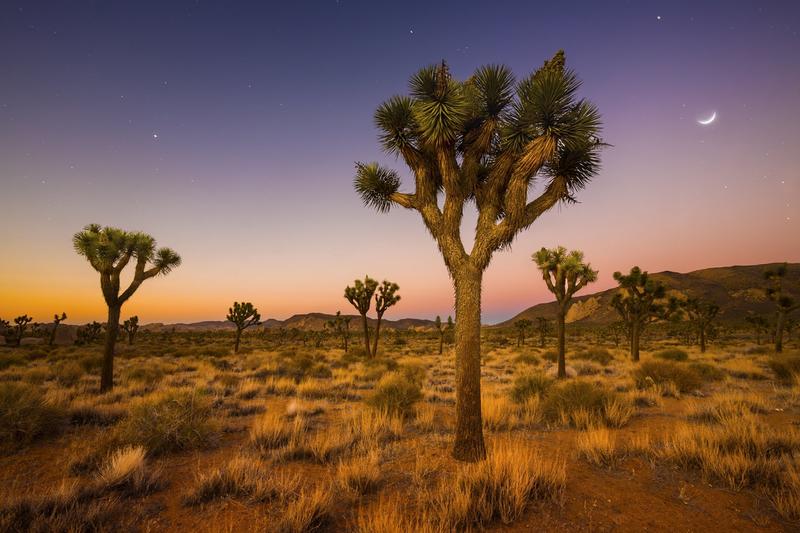
Joshua Tree National Park has suffered during severe droughts. The plants badly need water. Rising temperatures and a loss of groundwater are creating serious problems for them. Sadly, the trees can't reproduce in these drier,warmer weather condition. As a upshot, they will eventually die.
The Galápagos Islands
Some people say Charles Darwin'southward famous study on Ecuador'southward Galápagos Islands was both a blessing and a curse. His work led to important theories on evolution and natural selection. Notwithstanding, with such a rich history and a large number of endemic species, how could tourists resist visiting the islands?
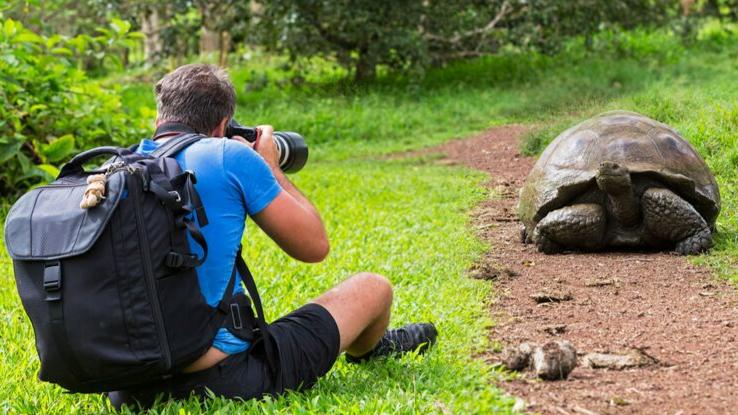
They couldn't. In fact, tourism for the Galápagos Islands boomed in the 1950s, with 1,800 tourists visiting the site per year. Information technology continues to grow, with the number now swelling to 224,755 tourists per year. You can bet the islands have felt the negative effects of that many people. Overtourism is killing the ecosystem and native species. Some people believe the islands should just be admired from afar, but if you exercise visit, be certain to respect the animals and their habitat.
Source: https://www.reference.com/geography/famous-places-disappear?utm_content=params%3Ao%3D740005%26ad%3DdirN%26qo%3DserpIndex
0 Response to "Places You Would Never Visit Again"
Post a Comment